Cultural Ripple Effect
Beyond the Screen
Every drama watched plants a seed of curiosity. Viewers do not stop at the credits. They search for Korean recipes, stream K-Pop playlists, study Hangul, and book flights to Seoul.
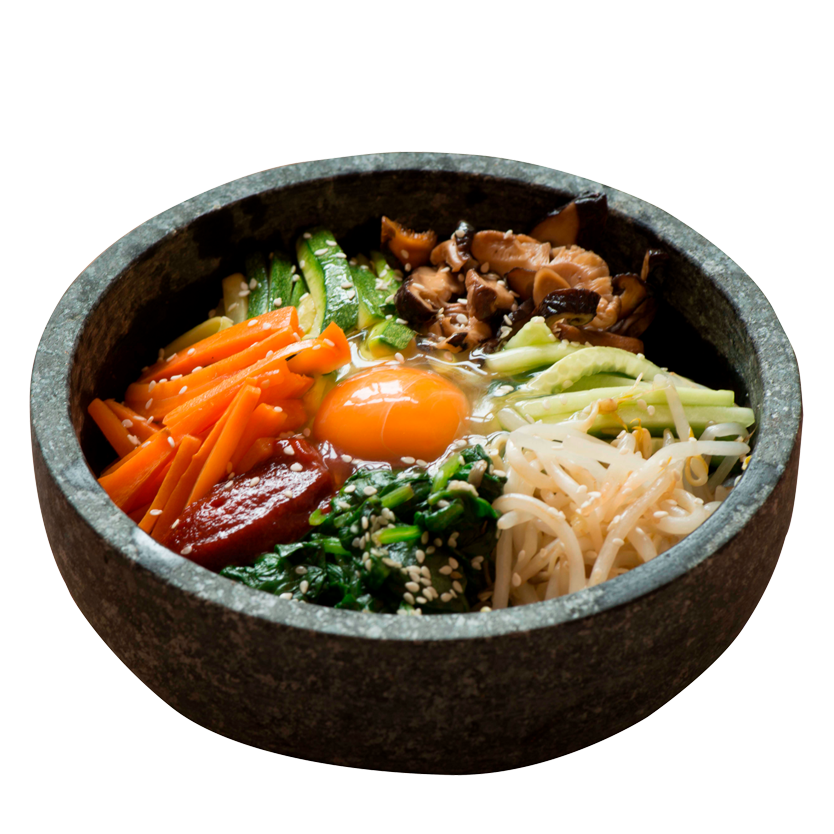
Food
Korean Cuisine Goes Global
Searches for Korean foods such as tteokbokki, Korean BBQ, and fried chicken increase after K-dramas show them in everyday scenes.

Music
OSTs Fuel K-Pop Discovery
K-drama soundtracks introduce many people to Korean music artists. This often leads viewers to explore more Korean pop
music, known as K-Pop, after hearing it in dramas.

Travel
Seoul Tourism Surges
Filming locations become famous sites. According to Tourism Korea, places where K-dramas are filmed become popular tourist spots.

Language
Hangul Learning Explodes
Duolingo’s Korean course grew 40% in the year after Squid Game was released. This reflects a broader trend of increased
interest in learning Korean driven by K-dramas in general.
Cultural Interest Spikes Following Major K-Drama Releases
RELATIVE GOOGLE SEARCH INCREASE (%) WITHIN 30 DAYS OF PREMIERE